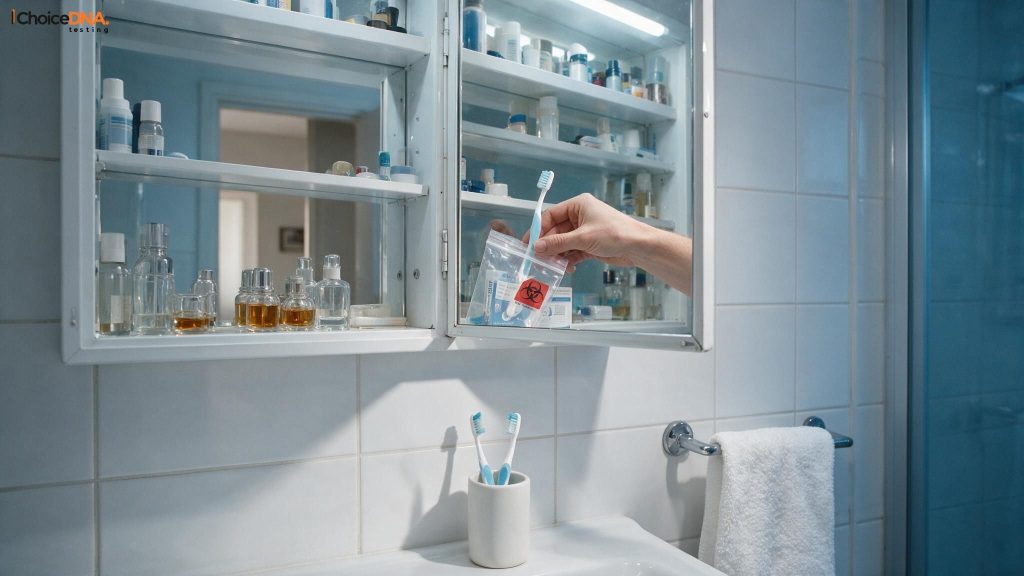
Yes, a DNA test can be performed using a toothbrush, as there is enough saliva and cheek cells in a used toothbrush for a usable DNA sample. It will come as a shock to many but it makes sense when you consider it. Each day, a toothbrush will come in contact with the inside of the mouth and collect small pieces of DNA as a result of brushing and rinsing. This may be particularly beneficial if a direct cheek swab is not feasible or available. This blog describes the process of toothbrush testing, other items that can be used, how the samples are collected by the lab, and how the results differ from a standard cheek swab.
Can a toothbrush be used as a sample of DNA to test?
Yes, a toothbrush can be used for a DNA test, and saliva and mouth cells are picked up in the course of normal, daily brushing. When you need clarification, nothing is more important than verifying the truth by any means possible. Because of this, it is a sought-after option for a DNA test with a toothbrush for people who aren’t able to provide a direct cheek swab sample themselves. Labs are used to deal with these types of samples, provided the object hasn’t been shared or cleaned too close to the time of sample collection, as sharing or rinsing could result in less usable genetic material remaining.
DNA Collection From Personal Items: Understanding
The technique of DNA collection from personal items is effective because our cells are constantly dying and coming into contact with items that we touch daily. Cheek lining cells and saliva collect in a bristle of a toothbrush, enough to allow successful genetic testing in a laboratory.
How does the DNA get extracted from a used toothbrush?
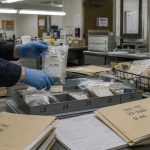
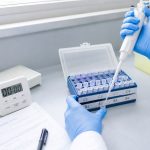
Toothbrush DNA extraction requires a laboratory procedure that carefully separates the DNA from the toothbrush without harming or contaminating it during the process. Before undertaking any comparison testing with another sample, trained laboratory technicians use strict and standardized procedures to isolate usable DNA. Toothbrushes come in various brands and grades, so the amount of genetic material obtained is sometimes determined first, followed by the most effective toothbrush extraction method to obtain accurate results. This is a meticulous process to ensure that the final DNA profile is free of contamination and suitable for comparison.
How Laboratories Process Alternative DNA Samples
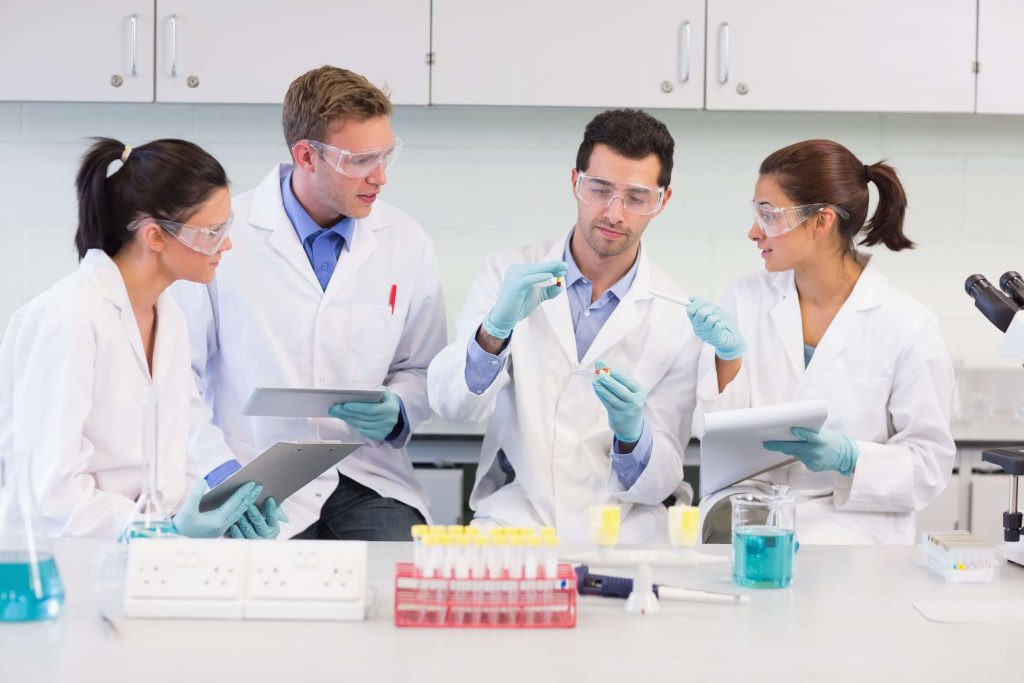
Laboratories follow strict standards for DNA extraction. DNA and paternity testing process after sample collection, extract DNA as follows
- Cells are investigated in bristles.
- Using lab chemicals to extract DNA.
- The process of purification and measurement of genetic material.
- Isolation of DNA from the sample.
- Comparing the DNA samples of involved parties
- Look for similarities in genetic markers with STR analysis
- Producing results
What are some other possible specimens for a DNA sample?
Aside from DNA test with toothbrush, there are a few other common items that can be used to serve as an alternative source of DNA when a direct swab is not feasible for some reason. Every item contains different amounts of usable DNA, so prior to testing, labs test each item to verify that there is enough DNA to perform tests. Samples, such as hair with the root, nail clippings, or used razors, may occasionally be usable, but the results will vary greatly depending on how the item has been stored and how long the time period is since the last use.
Comparing Toothbrushes, Hair, Nail Clippings, and Other Samples
- Toothbrushes, saliva and cheek cells.
- Skin: is best suited to hair with roots attached
- Nail clippings – small quantities of DNA
- Use of razors: skin cells are present
What is the level of accuracy of the DNA testing using a toothbrush versus a cheek swab?
Even with a swab of the cheek, it is still seen as the gold standard because it is a consistent, clean and direct sample of DNA each time it is properly collected. While DNA test with toothbrush can still yield accurate results, a lot of usable DNA must be present on the bristles and the object must have been handled properly prior to being tested. Labs receive documentation that can be as accurate in the presence of a strong sample, although for most testing scenarios a cheek swab is the more reliable.
Three components of sample quality, quantity and reliability of testing:
Sample quality can impact the results as toothbrushes may have lower quantities of DNA than a fresh cheek swab. Once the sample contains a sufficient amount of genetic material, results remain accurate, however, if there is not a large enough quantity of genetic material, the lab may ask for a duplicate sample.
However, Choice DNA recognizes that not all testing cases are straightforward and will accept other samples such as toothbrushes for some cases. You can rely on Choice DNA for paternity DNA testing, at-home DNA testing, forensic DNA testing, and relationship DNA testing by using CLIA-accredited laboratories for consistent and reliable results. With Choice DNA, you never have to guess what to use when you start sampling because it tells you which option fits your specific testing needs.
Conclusion
A toothbrush will serve as a DNA sample; however, in general, the best sample for consistent and dependable results is a cheek swab. A grasp of the variety of other sample options can give you peace of mind and clarity in planning. From sample collection to final results, Choice DNA works with CLIA-accredited laboratories to ensure accurate and reliable tests.