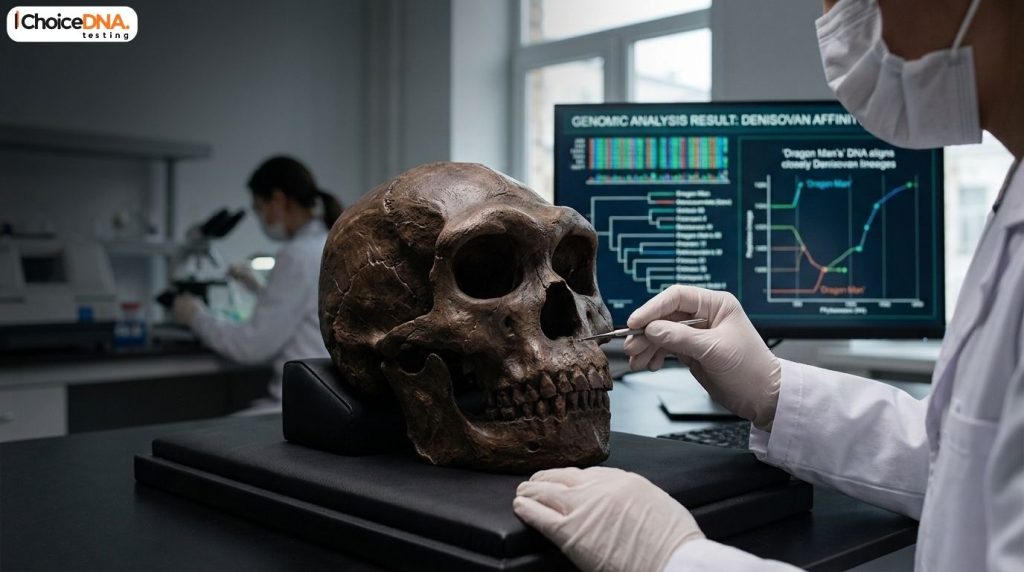
What role did DNA play in solving the mystery of the Dragon Man fossil? A very big one! For nearly 90 years, scientists debated which species the ancient skull belonged to. In 2025, a small sample of DNA from a tooth, in turn, provided an answer: Dragon Man was probably a close cousin to our species, a Denisovan. So, what is ancient DNA? It is material whose origin is in extremely old bones, teeth, or remains. It is like a message from the past. This story is exciting to us as a team that works with DNA testing on a daily basis, and we want to share it in friendly terms. Here, we describe how scientists discovered the DNA, its contents, how they verify it, and its significance for everybody.
What role did DNA testing play in uncovering the true identity of the 146,000-year-old Dragon Man fossil?
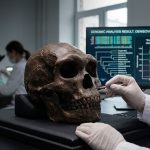
Scientists have determined the fossil of the Dragon Man belonged to a group of ancient humans thanks to DNA testing. The shape of its skull was not enough to answer the question. The genetic evidence from the skull matched that of the Denisovans, an ancient human species that was previously known primarily from fragments of bone.
Genetic Evidence in Ancient Human Identification
- Long ago discovery: The skull was discovered in Harbin, China in 1933 and buried in a well for many years. In 2021, scientists gave it a new name, “Homo longi” or “dragon human.
- The age: Skull tests indicate that it is at least 146,000 years old.
- There were two types of clues: ancient proteins were analyzed from a skull bone and Denisovan DNA from tooth plaque.
- Before this, scientists had never seen such a complete Denisovan skull.
- The combination of genetic evidence and skull shape is more informative than either alone: stronger together.
- Big impact: The discovery could alter the perception of ancient Asia.
What were the reasons for using dental calculus rather than other samples to extract ancient DNA from Dragon Man?
The researchers first attempted other samples, but the bones of the skull did not yield human DNA. Teeth stalagmites, known as dental calculus, contained a small but helpful portion of the genetic material of Dragon Man. This became the best and only working source for the DNA of archaic humans from this famous fossil.
Hardened Dental Plaque as a Source of Genetic Material
Dental calculus is a small hard rock that develops as plaque on the teeth hardens over time. It can accumulate bits of food, germs and cells from the mouth. Those cells contain DNA of the person. The hard layer provides protection of the DNA from water, air, and soil for thousands of years. A sample of calculus was taken from Dragon Man’s tooth. The vast majority of the DNA that was inside was bacterial, so they had to extract the minute amount of human DNA. In this approach, scientists can explore fossils in which the DNA in the bones has not been preserved very well.
What information will mitochondrial DNA be useful to the study of Dragon Man’s ancestry?
The mitochondria of women are transmitted only through their mother. The mtDNA of Dragon Man was found to be the same as the known Denisovan family line. It also revealed that he was a member of an early branch of that line. This primarily gives us clues about his mom’s ancestors many thousands of years ago.
Investigating genetic links between mother and offspring.
- Many copies: hundreds of copies of each cell’s mtDNA exist and make it more likely to survive from old remains.
- Small and simple: mtDNA is short, making it easier to read the whole thing.
- Slow changes: Family trees can be created using small changes over time.
- One side only: Only the mother’s line is shown and not the father’s.
- Matching maternal lines: Fossils can be traced together, such as Siberia and China.
- Modern use: mtDNA is used to trace people’s maternal ancestry.
One of the Marvels of Ancestry Testing is that DNA connects ancient science to everyday families.
How do scientists separate the DNA of ancient humans from contamination from modern humans?
Ancient DNA studies have strict guidelines to prevent the introduction of DNA from the present day. Scientists search for signs of damage to the DNA that is typically found in DNA that is very old. They also operate in clean labs and also perform control tests. These steps allow them to have faith in the DNA being of the fossil.
Validation of authenticity of genetic material
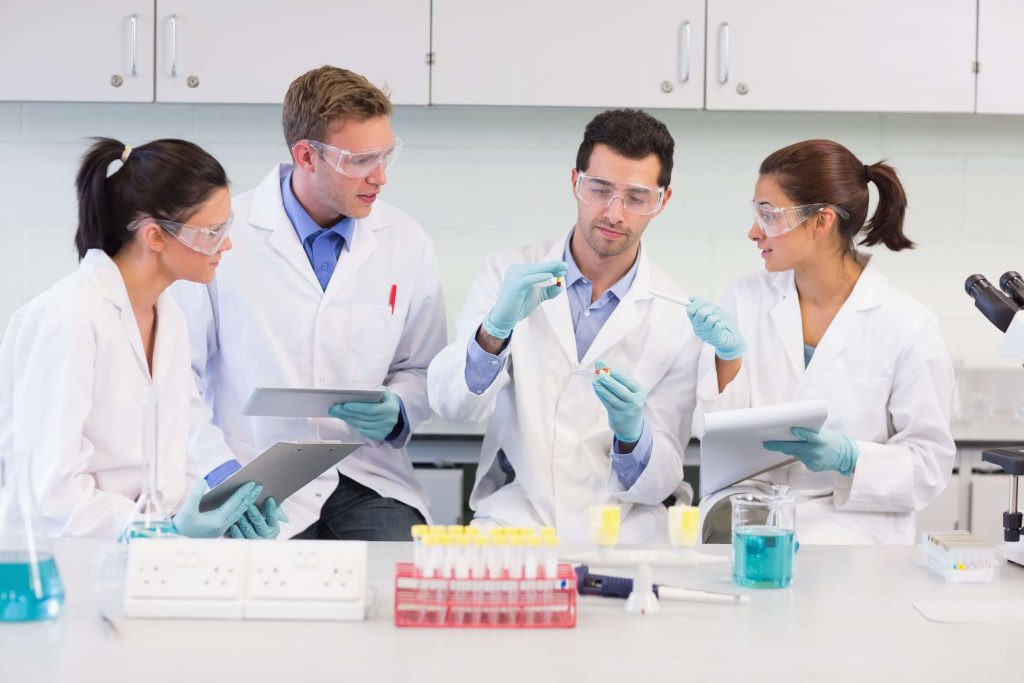
DNA fragments into extremely short fragments over thousands of years. It also captures a special chemical modification at the ends of each molecule, where one DNA letter can easily be replaced by another. The modern-day DNA that comes from a lab scientist would be long and largely undamaged and would look different. Scientists wear complete body suits, masks and gloves inside the clean rooms. Bleach and UV are used to clean tools. They also conduct blank tests without any fossil specimen in the sample to discern whether the fossil sample is contaminated by any hidden fossils. Last, they analyze results against contemporary human DNA to ensure that the sample is not just a match for a contemporary person.
How does ancient DNA shed light on interbreeding between Denisovans, Neanderthals and modern humans?
Ancient DNA research reveals the existence of interbreeding between Denisovans, Neanderthals and humans. There are small bits of DNA in many people living today that are remnants of these archaic humans. The most Denisovan ancestry is found in individuals from PNG and other Pacific island nations, whilst many individuals outside of Africa possess some of the Neanderthal’s genes.
The genetic evidence of ancient human interactions.
The results have revolutionized scientific thinking about human evolution. Our history is a more bush-like structure than a single line, with clusters that intermingled. A well-known bone from a cave in Siberia. The mother was a Neanderthal and her father a Denisovan. Individual genes from the Denisovans have survived in humans. A gene variant prevalent in Tibetans might help the body cope with life at high altitudes, and may have descended from Denisovans. The majority of people around the world (outside of Africa) have 1 to 2% Neanderthal DNA.
What challenges can affect the accuracy of DNA testing on fossils over 100,000 years old?
Older fossils usually contain very little usable DNA, and some of the remaining DNA is broken and mixed in with DNA from germs. This means that the genetic story that scientists can recover may not be complete; for instance, they can get mtDNA, but not the entire nuclear genome. Care should be taken in interpreting the results.
Comparing ancient DNA with modern DNA poses several problems.
- Moisture: Chemical damage to DNA occurs more quickly in the presence of water.
- Short pieces: Many ancient pieces are shorter and are difficult to align.
- Small amount of human DNA: Less than 1% of DNA in the sample may be human DNA.
- Minimal sampling: Scientists seek to minimize use of fossil material to preserve rare fossils.
- Partial results: Some family connections may be more ambiguous without the missing pieces.
- Proteins can help when DNA fails: Ancient proteins survive longer and provide additional clues.
Can DNA testing help identify other ancient human fossils with features similar to Dragon Man?
Yes, DNA and protein testing can help. There are numerous fossils in Asia that resemble Dragon Man but have not been definitely identified. The scientists were able to compare the genetic material with the known samples of Denisovans and see whether it was from the same group. This work is in progress and very exciting.
Using Genetic Comparisons to Investigate Unidentified Fossil Evidence
|
The same science used to read ancient mtDNA also provides people with knowledge of their own family lines. We provide DNA and ancestry DNA testing, mtDNA and Y DNA testing, and samples are sent to our accredited lab partners at Choice DNA.
Conclusion
A speck of hardened plaque can provide answers to big questions about human evolution in the fossil record with the Dragon Man. Ancient DNA research continues and every new discovery brings us closer to the story of where we all came from. There too are stories to be found in your own DNA. To discover your DNA, consider utilizing professional support to pick the correct test. Choice DNA provides DNA testing, Ancestry DNA testing, mtDNA testing, and Y DNA testing by working with CAP accredited laboratory partners. Get in touch with Choice DNA today and discover more about your DNA.