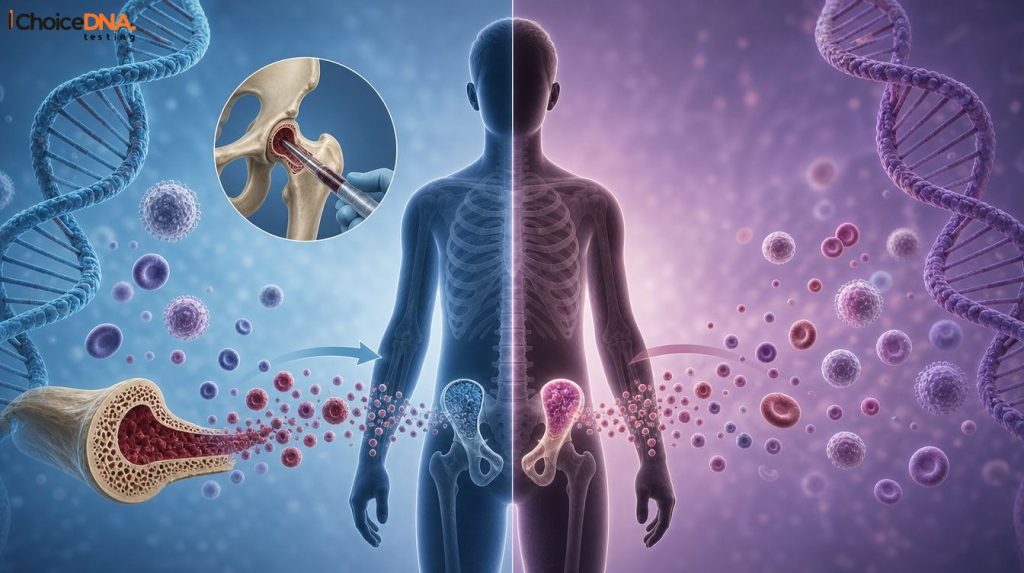

A bone marrow transplant will alter the DNA in your blood, but not in your body. This may seem crazy, but it makes sense when you understand how a transplant works. Blood cells are produced in the bone marrow, and once transplanted, the new blood cells will be produced by the donor. Quite an interesting subject, and today we will cover it in easy-to-understand language, even if you’re a curious first grader.
Does the bone marrow transplant affect the DNA of your body?
A bone marrow transplant does not affect the DNA of your entire body, only the DNA of your blood cells. Healthy transplant donor cells replace damaged bone marrow during the transplant. Because bone marrow produces blood cells, the new blood cells have the donor’s DNA rather than the original DNA. This is a healthy and normal process of the transplant.
DNA After a Bone Marrow Transplant
- DNA of the blood cells can change to suit the donor.
- New blood is formed from bone marrow following transplant.
- Such alterations are referred to as a chimeric blood profile.
- This change doesn’t affect other body cells.
What does the DNA in your blood look like after a transplant from donor cells?
Once the transplant is successful, the donor’s stem cells grow in the bone marrow and start producing new blood cells. The new cells have the donor’s DNA naturally present. A blood sample may have a large percentage of the donor’s DNA in it over time. This is because blood cells originate directly from the bone marrow, and therefore asking whether stem cells have DNA is a fair and common question, and the answer is yes of course they do.
Donor DNA in Blood Cells
- New blood cells are genetically identical to the donor’s
- Donor DNA patterns may appear in a blood sample
- This effect can last for years after transplant
- DNA is present in stem cells, as well as all other cells in the body.
Will your original DNA stay the same in other parts of your body?
Yes, most of the rest of your body including your skin cells, your hair and the cells of your inner cheeks will have the same original DNA. Does blood transfusion alter the DNA of a person? Blood-forming cells are the only ones that are affected by the transplant, since they are derived from the donor’s bone marrow. This is analogous to the impact of a blood transfusion on blood samples which temporarily impacts it, but does not alter DNA anywhere else in the body.
Your DNA Outside the Blood
- Skin cells preserve your birth DNA.
- Even hair follicles are not affected by transplanting.
- Typically, cheek swabs will contain your own DNA.
- Sometimes mixed results are revealed on saliva tests.
Does a bone marrow transplant change the result of a DNA test?
In some cases, a bone marrow transplant will cause certain results in DNA tests to change, particularly when using blood or saliva as the sample. Therefore, it is important to select the right type of sample. In medical conditions as unusual as this, Choice DNA can ensure that families and individuals use the correct methods of specimen collection to ensure accurate results.
Bone Marrow Transplants and DNA Testing
After a transplant, donor DNA is present in the blood, which could cause a false positive or negative DNA test result. It is usually more accurate to analyze a cheek swab or other tissue sample from a person because it contains a more accurate reflection of the original DNA. The proper sample type guarantees accuracy in the test and reliable results.
The reasons why sample choice is so significant.
These DNA changes are what give DNA labs a distinct interest in the type of sample before they conduct a DNA test. A person who has undergone a bone marrow transplant may require special guidance to avoid confusion. That is what a trained, licensed expert considers when crafting any report, providing families with reliable and trustworthy responses rather than speculation.
Medical history can be a larger part of DNA testing than most know. Other medical events can also affect the results of samples, just as a bone marrow transplant temporarily alters blood DNA. That is why it is crucial for a lab to ask you about your medical history prior to testing. Omitting this step may cause confusion or delay, or yield an incorrect result as the person’s true genetic identity.
Trusted DNA Testing You Can Count On
In life, there are situations that are unique, and DNA testing should be able to adapt to them. When medical history complicates the process, Choice DNA provides accredited paternity DNA testing and forensic DNA testing that provides families with accurate and reliable information. The NIPP test service is a non-invasive prenatal paternity test option, whereby the mother can get safe and accurate results prior to giving birth in CAP-accredited laboratories.

Conclusion
Bone marrow transplant may affect the DNA of the blood, but not elsewhere in your body. Special cases like these can be handled with peace of mind and clarity with the help of accredited and accurate tests from Choice DNA. We are always happy to assist you with any medical treatment or lifestyle concerns that could impact results, or if you’re requesting information on a routine DNA test, our staff can guide you with the right testing route with care and professionalism.