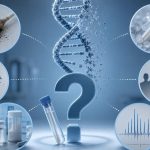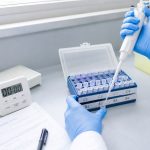


If the DNA test comes back with a 99.99% probability of paternity then there is a strong statistical match between the alleged father and the child, making it very likely he is a biological father. Many people may be confused by this number because they think it is 100%, but once they understand the meaning of the 99.99 paternity test, there is no confusion whatsoever. This blog addresses what this probability means, how it is computed by DNA labs, and how accurate this is to the family that is searching for answers.
What is the meaning of a 99.99% probability of paternity?
When the DNA evidence has a 99.99% probability of paternity, it is a clear indication that the man tested is almost certain to be the child’s biological father. In most instances, the labs do not report 100% because science is always subject to the possibility of some random error, even with a super high genetic match. When you know 99.99 paternity test meaning, you will see why this number, even if it is not exactly round, is still regarded as a very high and reliable result. In real cases, this degree of probability is considered to be strong and reliable evidence that the child is the offspring of the father in almost all cases.
The significance of a high paternity probability.
If the paternity probability is high, such as 99.99%, this means that the man’s DNA closely matches the genetic markers that should be found in the man’s biological father, as many different genetic markers are analyzed over many generations that the child has received from his father.
What are the methods that DNA laboratories use for the computation of paternal probability?
DNA laboratories determine the likelihood of paternity by comparing certain genetic markers which the child, mother and alleged father share in several areas of the DNA. Each common site provides a so-called paternity index, or the relative probability of matching with a random unrelated man. These individual index values are then added together by applying statistical formulas to generate an overall probability percentage, such as 99.99%, that represents the combined strength of all matching genetic markers that are analysed in detail during the testing process.
DNA Markers, Paternity Index, and Statistical Analysis
- Carefully matched DNA markers from child, mother and father
- The paternity index used for each matching marker alone
- All the index values are combined together just precisely by statistical formulas
- Final probability is a general genetic match strength.
If the result is 99.99%, does that necessarily mean that the man is the father?
A 99.99% paternity result is considered a strong indication that the tested man is indeed the statistical likelihood of the biological father, but not a certainty as it is only a probability. Even with lots of genetic testing at many markers, there is always a tiny margin of statistical uncertainty in science, so it’s not like they claim to have 100 per cent results. However, such a score is considered very reliable and is easily accepted in legal, medical and personal contexts. Experts, courts and legal systems in practice generally hold this degree of probability to be definitive paternity proof.
The probability, statistical confidence, and limitations of testing.
- The probability does not indicate certainty, but rather a statistical level of confidence.
- There is still a small degree of uncertainty in all genetic tests
- Overall, the results are still highly reliable.
- High results are considered final to Courts and professionals.
What is the accuracy rate of DNA paternity tests that give the result with a 99.99% probability?
When done by an accredited laboratory and the proper testing procedures, a paternity DNA test that shows a 99.99% likelihood of paternity is accurate and reliable. The accuracy will depend on the quality of the sample, number of genetic markers tested, but also on meticulous laboratory procedures throughout the process. If you’re wondering how to read a DNA test, the following probability numbers will help you get started, as they eliminate the confusion and uncertainty of what your results mean. Reputable and accredited labs regularly provide results that people can depend on for future personal, legal or medical choices.
The reliability of laboratory testing and DNA matching.
DNA matching is only as accurate as the samples collected, the laboratories that complete the analysis and the specific protocols adhered to in testing. Accredited laboratories that conduct studies according to documented scientific procedures throughout the testing process, provide reliable results.
Once you understand your results, you’ll have a sense of peace, and Choice DNA can walk you through the whole process. At Choice DNA, you can choose from paternity DNA testing services, at-home DNA testing kits, NIPP DNA testing, and relationship testing, all performed in CLIA-accredited laboratories for trustworthy and accurate results. If there are questions, Choice DNA’s team is on hand to provide a clear explanation of your results.

Conclusion
A high 99.99% probability of paternity denotes a strong and reliable match, but not a perfect but unattainable 100%. Knowing this number reduces any confusion in regards to your results. Choice DNA is collaborating with CLIA-certified laboratories to provide trustworthy and accurate paternity testing services.