

How do you confirm Zygosity?
Today, expectant parents have the options to know what sex their baby will be or if they are expecting multiples. When it comes to having a birth of twin, zygosity is a concept that is important for parents to understand. It is very unlikely that the word zygosity is not going to come up in everyday conversation, so what is zygosity and furthermore, what is twin zygosity?
Zygosity describes whether twins developed from one fertilized egg (identical, or monozygotic) or from two separate eggs (fraternal, or dizygotic). It can be confusing for parents, because identical twins don’t always look exactly alike and fraternal twins can look very similar.
Doctors may use several clues to estimate whether twins are identical or fraternal, including:
- Ultrasound markers
- Placental sites
- Dividing membrane thickness
- The lambda sign
- Fetal gender
- Postpartum placental examination
- Physical similarity questionnaire
- Blood type
- DNA analysis from each twin
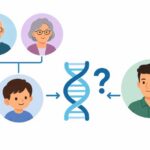
These clues can suggest zygosity, but only a DNA test can confirm it. In a DNA zygosity test, the lab compares the twins’ DNA profiles at a set of genetic markers. Identical twins are expected to have the same profile at every marker tested, while fraternal twins, who share about half of their DNA like any siblings, will differ at some markers.
Today though, just as we are able to do our own DNA testing to establish our ancestry, we are able to purchase home twin zygosity dna kit and perform the testing ourselves. So, is there a better twin zygosity test better than the others? What is the best twin zygosity test to do at home? However, any expectant mother should seek medical care by a professional and allow them perform any needed twin zygosity testing.
Twin zygosity is designed to determine if the children of a multiple birth, be it twins, triplets, etc., are fraternal or identical twins genetically. The most reliable way to confirm twin zygosity is a DNA test, in which a cheek swab is collected from each twin.
Knowing whether twins are identical or fraternal can be useful for family medical history and personal knowledge. A zygosity test does not diagnose pregnancy complications such as Twin-to-Twin Transfusion Syndrome, and it does not determine organ or tissue compatibility, which requires separate medical testing. Questions about a pregnancy or a transplant should be directed to a doctor.
Do separate sacs or placentas mean twins are fraternal?
No. Separate placentas or amniotic sacs do not prove that twins are fraternal. They are expected in fraternal twins, but some identical twins also develop with separate placentas, when the fertilized egg splits early. This is why a DNA zygosity test is more reliable than delivery or ultrasound records alone.
What is more common dizygotic and monozygotic?
To clarify the difference, monozygotic is identical twins and dizygotic is fraternal twins, or non-identical. The monozygotic twins come from a single egg and dizygotic twins are from two egg that were fertilized simultaneously. The birth of dizygotic twins are more common monozygotic twins.
What is the most common twin zygosity, is there are correlation between the mother’s age and the twin zygosity? The older the mother is when she conceives, the higher the chance of her giving birth to fraternal twin births. When fertility treatments are used to get pregnant, the rate of fraternal twins increase.
Who carries the twin gene?
Genetic research has found that there is two time great chance of having fraternal twins when there are fraternal twins on the woman’s side by either her mother or sister. This “twin gene” is caused by hyper ovulation, the tendency for multiple eggs to be released during ovulation.
Because only the woman ovulates, this connection is valid only for her side of the family. However, the “twin gene” can come from the father and be passed on to the daughter, it increases the daughter’s likely hood of giving birth to fraternal twins.
What is the rarest type of twins?
 Fraternal twins and identical twins are commonly known when it comes to “twin talk”, but we have learned there are “semi-identical” twins. This third category of twins is ’sesquizygous’, but what is the difference between them and monozygotic (identical) twins?
The monozygotic twins come from one fertilized egg that splits in two. The monozygotic twins come from one fertilized egg that splits in two, resulting in twins who are almost always the same sex and share virtually the same DNA.
The dizygotic twins are formed when two eggs are fertilized at the same time by two sperm. They are siblings with two unique genetics, sharing only 50% of their DNA.
Semi-identical (sesquizygotic) twins are extremely rare, with only a few cases reported in the medical literature. They share between 50 and 100% of their genomes or the total of their DNA.
How can I tell if I’m an identical twin?
For a person to determine if they have an identical twin, A DNA twin zygosity test would need to be performed. Twin zygosity DNA testing is done by swabbing the inside of each twin’s cheeks and submitting those swabs to a DNA testing center.