
Just about every person who has gone through the adoption system has at one time or another wondered about their birth parents. Now, through the innovation and technology of DNA testing, we can discover more about our family and our roots than ever before. And because this trend is becoming so popular, it can even help you find birth parents, grandparents, aunts and uncles, or another long-lost family member.
Table of Contents
ToggleHow Can DNA Help?
Large consumer genealogy databases can help adoptees find relatives, because millions of people have tested with them. These databases only compare results produced by their own (or compatible) tests, so to search them you generally need to test with, or upload a compatible file to, that service. Laboratory paternity and relationship tests are designed to answer a specific question between people who are tested together, not to search a database.
How Does it Work?
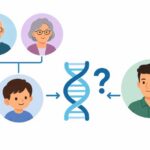
You inherit about half of your DNA from each parent. Close relatives therefore share predictable amounts of DNA: a parent and child share about 50%, full siblings about 50% on average, and grandparents, aunts and uncles about 25% on average. Databases use the amount of shared DNA to suggest how a match may be related to you, but the suggested relationship is an estimate and should be confirmed.
Expanding Your Ancestry
Adoptive children and those who are not with their biological relatives can significantly increase the size of their documented family tree by beginning with a DNA test. A promising match opens another chapter of that person’s family tree, and findings swiftly build upon one other. Testing can then be done on confirmed closer relatives to identify shared ancestors. For instance, figuring out who a great-uncle is might provide a parent’s name. Alternatively, a half-sibling match can make either parent’s position obvious. Every new relative completes the puzzle with hints.
A Practical Path for Adoptees
- Gather what you already know, such as adoption paperwork, birth state and any non-identifying information your agency can release.
- Use a consumer genealogy database to look for close DNA matches.
- Work out how a close match may be related to you, and make contact carefully and respectfully.
- When you have identified a possible parent or sibling, confirm the relationship with a laboratory paternity, maternity or sibling test.
Finding Your Genetic Heritage
DNA testing is a potent means of learning about genealogy and family history for people who have been adopted or are currently unaware of the identities of their original parents. Getting in touch with ancestral relatives is now easier than ever, owing to the increasing number of genetic tests and more comprehensive databases.
Once you have identified a possible parent or sibling, a laboratory relationship test can confirm the connection. Choice DNA offers paternity, maternity, sibling and grandparent tests that compare DNA from the people involved and report the likelihood that they are related.
Creating Links Via Genetic Analysis
Genetic markers are handed down through generations and defining characteristics and connections are analyzed through DNA testing. Each parent contributes fifty percent of a child’s DNA. Shared regions in the DNA patterns of the tested person may allow the identification of remote and even near relations. The likelihood that two people have a common ancestor increases with the amount of DNA they share. Relation classifications such as a parent, sibling, grandparents, or cousin become evident if potential familial ties are identified.
Conclusion
Genetic family relationships can now be found through DNA testing, a previously unattainable opportunity for adoptees and other detached individuals. Discovering your blood relations like parents, siblings, and multi-generational family members can improve lives for years with the proper guidance.
If you have found a possible birth parent or sibling and want to confirm the relationship, Choice DNA can arrange the right relationship test. Call (800) 219-4362 to discuss your options.