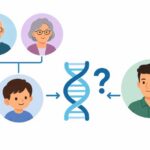


Ever pondered concerning the ethnic background and lineage of your family? Finding out details regarding your ethnicity and genetic background is now simpler than ever before, thanks to the expanding availability of DNA testing advancements. We’ll look at how DNA Ancestry testing may assist you in discovering more about your ethnic background.
Utilizing DNA Testing
Have you always been interested in learning more about your ancestry? Do you want to know who you might be related to? To answer these questions, you could do hundreds of hours of genealogy research. While you may get answers, there could be a lot of gray area and inconclusive answers.
DNA Ancestry, Is It Worth It?
For anyone interested in learning more about their familial history, then an ancestry DNA test is a great decision. Otherwise, is DNA testing even worth it? The answer is, yes! Ancestry and Relationship DNA testing is a good choice for anyone. With a DNA test, you can better understand why yourself as well as your families genetic makeup. It can even be used to determine the familial link between supposed relatives. Even if you don’t have a specific reason for a test, having one completed can be incredibly beneficial. In fact, there are several uses for an ancestry DNA test if you are needing the push to get one done.
Uses for DNA Ancestry Testing
Ancestry DNA testing can be used for a variety of reasons. If you are considering having a test done, there is a lot that you can do with the information, including:
- Paternity testing: One of the more common uses for DNA testing is to determine paternity. Paternity tests are among the most commonly ordered DNA tests because they answer who a child’s biological father is. These tests will determine the familiarity between the paternal side and the tested subject.
- Family Tree growth: Ancestry DNA testing is more popularly being used to help further family tree growth. These tests can help you identify genetic ancestors that may have been missed in earlier genealogy tests. An ancestry test cannot tell you the race of an individual ancestor, but it can estimate the regions your ancestry traces to and help link you genetically to your ancestors.
- Criminal Investigations: For a long time now, DNA testing has been used in criminal investigations. The use of these tests helps to determine connections between crimes and criminals. A DNA test can also be used to help confirm your innocence if you are charged with a crime.
- Genetic testing: A major reason for DNA testing to help families determine any genetic markers that may be passed down the ancestral line. Commonly, it is used to find potential genetic abnormalities and to determine the likelihood of being passed on to another generation
Completing a DNA test or even an ancestry DNA test can provide you with a whole host of information. What you choose to do with it is up to you.
DNA Ancestry vs Family Tree
There is a bit of a misconception about ancestry DNA testing. Many people expect these tests to name the exact race or ethnicity of each ancestor. In reality, they estimate the regions your ancestry traces to. Ancestry DNA testing will help to genetically link you to your ancestors. This can be beneficial in growing or improving upon your family tree. These tests look through genetic markers within your familial line to find common connections. Ancestry DNA with traits that match would make you relatives of some sort. Many people may feel off-put by an ancestry DNA cost to test, which is reasonable.
Can DNA Ancestry tests find relatives?
Some people may have preconceived ideas about how their ethnicity will be divided before taking a DNA test. But DNA Ancestry tests are renowned for yielding some surprising findings that challenge people’s assumptions about their ancestry, origin, and relations.
It’s interesting to note that Ancestry DNA can indicate unexpected ancestry ties in the following ways:
- Helping people who had previously thought they were exclusively descended from African and Spanish descent to recognize their Native American origins.
- Establishing ties between African Americans and certain African ethnic groups and geographic regions.
- Following an Italian family that migrated to Italy a few centuries ago from Ireland.
DNA Ancestry testing examines particular DNA markers that might identify your ethnicity and provide information about your distant relatives. Ancestry testing can reveal your genetic heritage and help you establish contact with long-distance relatives.
What can a DNA test tell you about your Ancestry?
By analyzing your genetic code, a DNA test can provide important details about your lineage, relationships with your family, health concerns, and more. DNA ancestry testing facilities such as Choice DNA may assist you in tracking your ethnic heritage and determining your family’s origins. An ancestry DNA test can give you an idea of which regions of the world your ancestors came from. To do this, the lab compares your DNA with reference samples from populations around the world. The result is an estimate of your genetic origins, not a precise map of where each ancestor lived, and results can vary between tests and reference databases. Genetic screenings also check for potential hereditary health indicators and illness risk factors. To thoroughly grasp what makes you biologically different, it delivers complete DNA profiles encompassing health, heritage, looks, and other qualities. Personalized information about your biological makeup and origin in the more prominent human lineage may be obtained through DNA testing.
What does Ancestry do with your DNA?
The primary function of ancestral studies is to use DNA profile comparisons in their database to pair clients with possible relatives and pinpoint their origin. People can use this to look into their ancestry and family trees. Ancestry studies population genetics and history in partnership with research institutes using DNA or genetic information. Clients can decide whether to share their data or take part in research. Genetic traits, as well as medical reports, are only two examples of the new commercial features that are developed using insights from DNA data.
Frequently Asked Questions
- Can you tell your heritage through DNA?
- A DNA ancestry test can estimate the regions of the world your ancestors likely came from, but it cannot tell you the race of an individual ancestor or pinpoint exactly where they lived. It looks at genetic markers passed down from your mother, your father, or both, depending on the test.
- Is ancestry DNA maternal or paternal?
- It can be either or. Depending on what you are looking for, test can be designed to specifically look at the DNA passed from either your mother or your father.
- Do you inherit more DNA from mother or father?
- You inherit about half of your DNA from each parent. Because the DNA from both parents is reshuffled each generation, it becomes harder to trace ancestry far back. Some parts are passed down largely unchanged, though: the Y chromosome from father to son, and mitochondrial DNA from mother to child.
- How accurate is ancestry DNA test?
- Ancestry results are estimates. The lab reads your DNA markers with high accuracy, but the regional percentages depend on the reference populations used.
- Can ancestry DNA results be wrong?
- Yes, they can in the sense that they are either read or interpreted incorrectly. What that means is, the way a DNA test is set up to read a sample could miss or exclude certain information that would provide a more accurate answer.