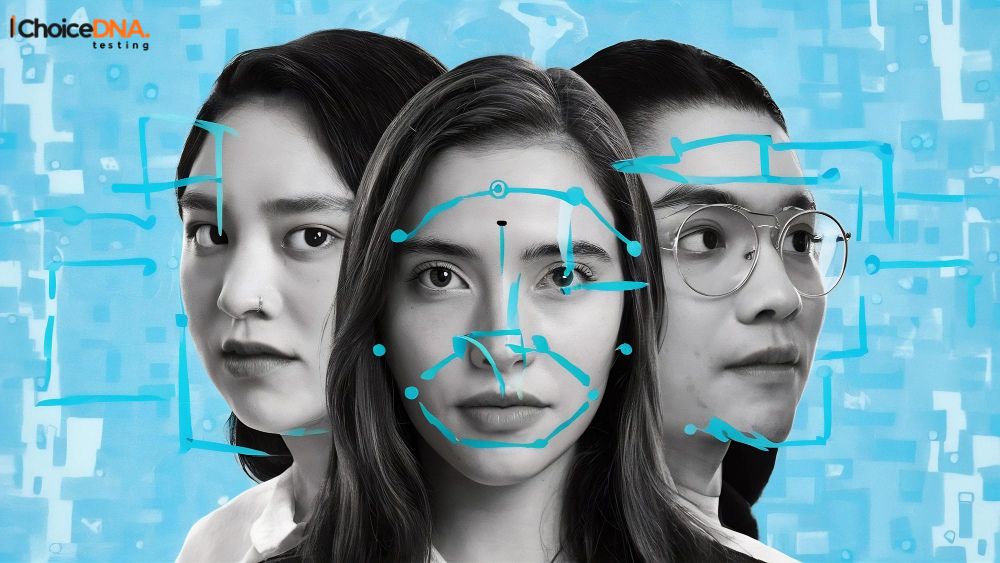

Have you ever observed how certain relatives resembled each other so closely and others have not much in common that can be seen? Similarity checkers and facial recognition software have emerged as some of the most frequently used tools to investigate these visual associations through deep learning face analysis to compare images and determine what features are shared. Although these technologies are very exciting and entertaining to personal curiosity, it is important to realize what they can and cannot actually say about the biological relationships.
Is facial recognition capable of recognizing similarity amongst family members?
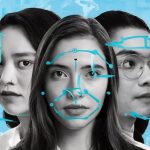
Yes, there is a technology of face similarity detection in real time, which allows recognizing visual similarities between people in a family with the help of sophisticated algorithms that analyze facial features, proportions, and patterns. A face similarity checker is an image comparison based on AI-assisted facial comparison of photographs to compute a Visual Similarity Score and a PDF summary of which features are similar. Visual resemblance, however, does not establish biological links – unrelated people can resemble, whereas biological individuals have little apparent resemblance. The use of our facial packages will be limited to personal interest and screening purposes. They verify and refute neither identity nor family ties. In order to have legal certainty or conclusive evidence of a biological connection, an accredited DNA test is needed under the professional relationship of DNA testing services of Choice DNA.
Weaknesses of Visual Similarity Tools.
No genetic analysis: Facial recognition software does not read any actual genetic material – it merely analyzes photos and other noticeably visible geometry – it will never establish any relationship based on DNA or even determine biological parentage based on apparent similarity of faces.
Environmental and age conditions: The facial appearance in old age changes drastically with age, weight, hairstyle, lighting, photo angle, and image quality – these conditions have an impact on the similarity scores even between identical twins under varying conditions.
What are the most commonly inherited and determined facial features by analyzing similarities?
Deep learning face recognizes inherited facial features such as the shape of the eyes, distances between eyes, color, nose width and nose bridge, jaw structure, chin, cheekbones and cheeks, eyebrows shape, eyebrows placement, lips fullness, and ears. These aspects have different levels of genetic components with some aspects of them such as color of eyes being highly inherited as others such as face shape being a complex interaction of several genes. Facial recognition software works by taking the measurements of distances, angles and proportions between the facial landmarks and comparing the measurements to a set pattern that indicates familial similarity.
Patterns of Eyes, Nose, and Jawlines.
Facial features such as eye shape, size, spacing, and color exhibit high rates of genetic inheritance that facial recognition softwares are able to identify and match in a cross-match of photos. Nose architecture such as bridge height, nostril width, and total length of the nose are also some of the most highly heritable characteristics that similarity analysis compares. The definition of the jawline and the shape of the chin also have genetic tendencies but these characteristics can be greatly affected by the weight, age and in the arrangement of the teeth such that visual comparisons are not accurate as genetic tests are.
Genetic Effect on Facial Structure.
- Polygenic inheritance: The majority of the facial appearance is caused by a collaboration of several genes in the formation of intricate patterns of inheritance, such that the children can take after one parent, both parents, grandparent or have very different patterns of inheritance.
- Environmental influences: Diet, health, trauma, tooth restoration, aging greatly change the appearance of the face regardless of heredity – the same genetic makeup (identical twins) may change her face dramatically because of environmental factors.
What is the relationship between facial similarity technology and DNA/genetic testing?
Facial recognition software and DNA testing compare two entirely different things with entirely different means. real-time face similarity detection technology that scans the photographic material in order to determine the similarity between the elements of visual patterns and proportions of the faces, extracting similarity scores only on the basis of appearance. DNA testing involves the examination of actual genetic material using biological samples to compare the genetic markers to establish biological relationships with an accuracy of more than 99%. Although some aspects of the face are genetically based, visual resemblance does not indicate genetic relatedness – unrelated individuals may have a striking resemblance, whereas related individuals who are genetically linked may have no visible common characteristics in their looks.
Visual Characteristics vs. Gene Evidence.
- Curiosity: Face analysis with deep learning aims to give curious people interesting comparisons between themselves and others that are based on physical similarities, even though when legal evidence is required or one is sure that the two people are biologically related, DNA testing is the only way to ascertain this.
- Certainty DNA testing: Choice DNA offers relationship DNA testing services that test genetic markers that offer a certain, legally recognized, biological connection- DNA evidence is admissible in courts, immigration cases, and legal cases where facial similarity analysis lacks legal support.
Knowing How Technology should be used.
The facial recognition software and real-time face similarity detection are useful in personal entertainment, initial screening, and quenching the curiosity of visual similarity. Nevertheless, in cases where some biological relationships must be confirmed in order to address legal cases, establish inheritance, immigrant cases, or just certainty in an individual, the only scientifically and legally accepted technique is the accredited DNA testing. Choice DNA is the service providing the fun analysis of facial similarity and the professional version of relationship DNA analysis services in cases where the answers are required.

Conclusion
Wonder why people within the same family look like each other? Our facial similarity packages offer visual analysis based on AI to be used as a form of personal curiosity and screening. Note: these packages are not a confirmation or a denial of identity or family relationships and to be sure with the law, accredited DNA testing is a must. At Choice DNA, we have both amusing analysis of facial recognition and professional relationship DNA testing services that would offer legally recognized evidence of biological relations.