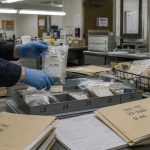


As any other system that involves handling by humans, documentation, and interpretation of these documents, DNA evidence is not immune to error, misuse, or intentional manipulation. Knowing how DNA fraud can occur in a legal case where DNA evidence is relevant, what has been implemented to help prevent such a scenario, and when do the problems of forensic DNA reliability arise is of importance to anyone who is navigating a legal issue in which DNA evidence is relevant. We will take a stroll through it in a straightforward and truthful manner.
What are the Possible Fraudulent Conducts in DNA Testing in Legal Systems?
Legal DNA fraud is rare, but it exists and has been recorded. DNA error wrongful conviction errors have resulted in reversed convictions and legal changes in several jurisdictions. Knowledge of the types of possible frauds will enable people and law firms to pose the right questions when DNA evidence is involved in a criminal or civil case.
Typical types of manipulation of DNA evidence.
- Intentional planting of samples – placing a DNA sample of a suspect in a crime scene where they never physically attended the crime scene – is one of the gravest forms of forensic DNA reliability issues that have ever been documented during the criminal case review DNA evidence proceedings.
- Sample substitution in collection or transportation Sample substitution in collection or transportation occurs when a sample that was collected or transported was substituted with another.
- Contamination in the lab that was placed there by design or by inattentiveness may result in a false positive DNA result that wrongly implicates an innocent person through no fault of his own or the technology that was used to test his DNA.
What Can Be Done To DNA Evidence in order to tamper with or misuse it in Court Cases?
The process between the collection of the sample to the presentation in court involves several steps – and each of the steps is a potential vulnerability in case of not following the proper protocols. Problems of reliability of forensic DNA most tend to arise not with the science but with the failures in how evidence is collected, stored, transported and analyzed before it goes to the lab.
Collection, Handling and Analysis Risks.
- Inappropriate collection methods such as the use of contaminated swabs or collection of samples without documented protective measures introduce foreign DNA that may result in false positive DNA matches that are not related to the actual case that the DNA is being investigated.
- Poor storage conditions such as exposure to heat, moisture, or biological contamination during handling, degrade sample integrity and can yield unreliable results when presented out of context.
- Illegal access to stored biological samples opens the chance of intentional manipulation to weaken the reliability of forensic DNA and has been the focus of criminal case review DNA evidence proceedings in reported instances of misconduct.
What is the role of the Chain of Custody in preventing DNA Fraud in Legal Cases?
Chain of custody is a documented history of all individuals who have touched a DNA sample since the time it was collected until laboratory testing and presentation in court. It is the first legal and procedural safeguard against DNA fraud – and its absence or incompleteness is one of the first things lawyers and forensic experts look at when issues of DNA fraud reliability are raised in the process of reviewing DNA evidence in criminal cases.
Secure Sample Handling is important.
A chain of custody that has been well maintained provides a continuous, verifiable record that identifies who collected the sample and under what condition, when it was transferred to, how it was stored, as well as who analyzed it at the lab. This record renders deliberate interference much harder since any unaccounted void or inconsistency in the record will instantly become evident and challengeable in court. Chain-of-custody errors that have been revealed during post-conviction review often occur in wrongful convictions. In legal DNA testing outside of a forensic context, such as paternity testing as part of a court case, accredited provider and partner Choice DNA have a rigorous chain-of-custody documentation that meets the evidentiary standards necessary in courts and legal authorities.
Are There Ever any falsely read or falsely represented DNA Test Results in Court?
Yes – and here is a most importantly crucial region of forensic DNA reliability concern. The DNA science is so precise when performed correctly, but interpretation and presentation of DNA results in court are subject to human interpretation, which is sometimes inaccurate, biased, or in some rare cases, intentionally misleading. False positive DNA matches and statistical misrepresentation of match probabilities both have played a role in wrongful conviction DNA error in documented cases reviewed by innocence projects and legal reform organizations.
Mistakes in Analysis and Expert Testimony.
- Probability statements about DNA matches can be distorted or misconstrued in a court of law, jurors may sometimes interpret probability numbers as certain when the standards of reliability of forensic DNA testing require a more subtle explanation of what a match really means.
- Laboratory analysis confirmation bias – where the analyzer knows what to expect before analyzing – has been cited as a contributing factor in issues of forensic DNA reliability where analysts are aware of the expected result before testing.
- Poorly qualified expert witnesses who present DNA evidence in legal cases without adequate knowledge of the statistical limitations associated with DNA evidence have contributed to wrongful conviction DNA errors that took years of post-conviction advocacy to correct and overturn.

Conclusion
The quality and accreditation of your testing provider is of the utmost importance when DNA testing results are to be used in a legal proceeding. Choice DNA, affiliated with CLIA-accredited labs, provides relationship DNA testing and facial recognition testing of DNA samples that are rigorously documented in chain-of-custody documentation and laboratory accreditation standards that meet the legal requirements. Need court-admissible paternity testing or relationship DNA analysis? Choice DNA makes sure that the results are accurate, properly documented, and professionally administered between collection and final reporting.